
about tanzania
travel guide

Travel Guide
Tanzania, located in East Africa, is a country of unparalleled natural beauty, diverse wildlife, and vibrant cultures. With a rich history and a range of landscapes that includes iconic savannas, towering mountains, pristine beaches, and lush forests, Tanzania offers a captivating and multifaceted travel experience.
When it comes to landscapes, Tanzania truly has it all. The country is home to the iconic Serengeti National Park, where millions of wildebeest and other animals migrate across vast plains in search of lush grasslands. The Ngorongoro Crater, a UNESCO World Heritage Site, offers breathtaking views and is known for its rich biodiversity. Mount Kilimanjaro, the highest peak in Africa, attracts adventurers from around the world who seek to conquer its majestic summit.
Tanzania’s coastline is a paradise for beach lovers, with pristine white sands, crystal-clear waters, and colourful coral reefs. The islands of Zanzibar, Pemba, and Mafia are famous for their idyllic beaches, vibrant underwater ecosystems, and fascinating Swahili culture.
But Tanzania is not just about its natural beauty. Its people are warm, friendly, and proud of their heritage. The country is a melting pot of cultures, with over 120 different ethnic groups, each with its own traditions, languages, and customs. Visitors have the opportunity to immerse themselves in Tanzanian culture through interactions with local communities, witnessing traditional dances, and sampling the delicious cuisine, which draws influences from Arab, Indian, and African flavours.
Whether you’re embarking on a thrilling safari, scaling snowy peaks, relaxing on the beach, or exploring the colourful markets of Dar es Salaam, Tanzania promises an adventure of a lifetime. So pack your bags and get ready to explore this captivating African gem. Karibu sana! (Welcome!)
KEY FACTS
Capital: Dodoma (official), Dar es Salaam (largest city and former capital)
Official Language: Swahili and English
Population: Approximately 60 million
Currency: Tanzanian Shilling (TZS)
Time Zone: East Africa Time (EAT, UTC+3)
GEOGRAPHY AND LANDSCAPES
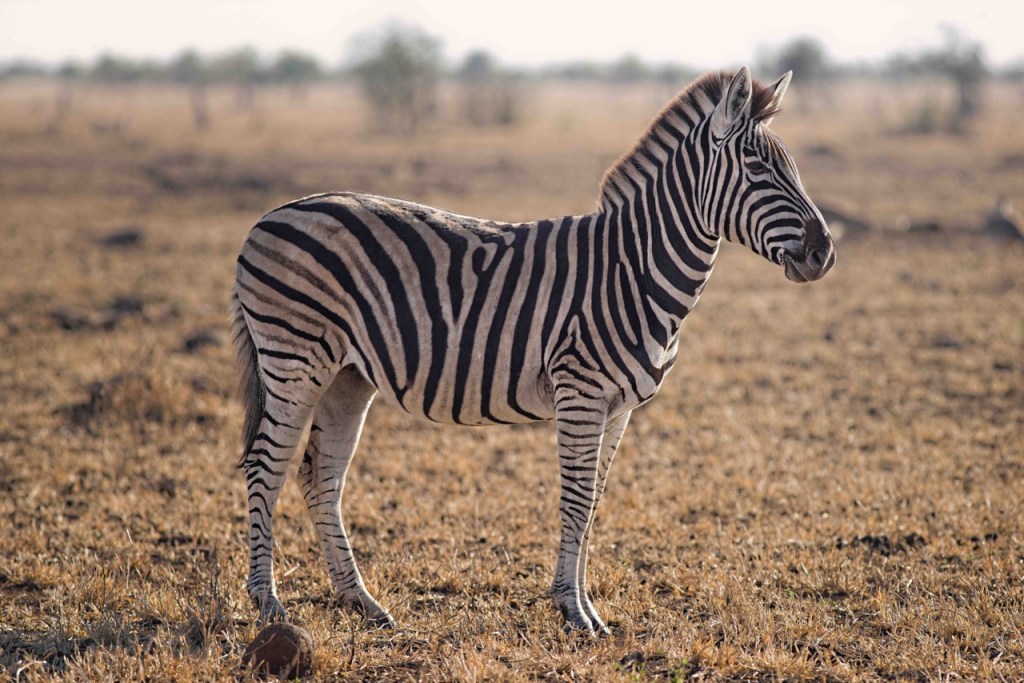
Serengeti Plains: World-renowned for the annual Great Migration, where millions of wildebeests and zebras traverse the plains in search of water and fresh grazing.
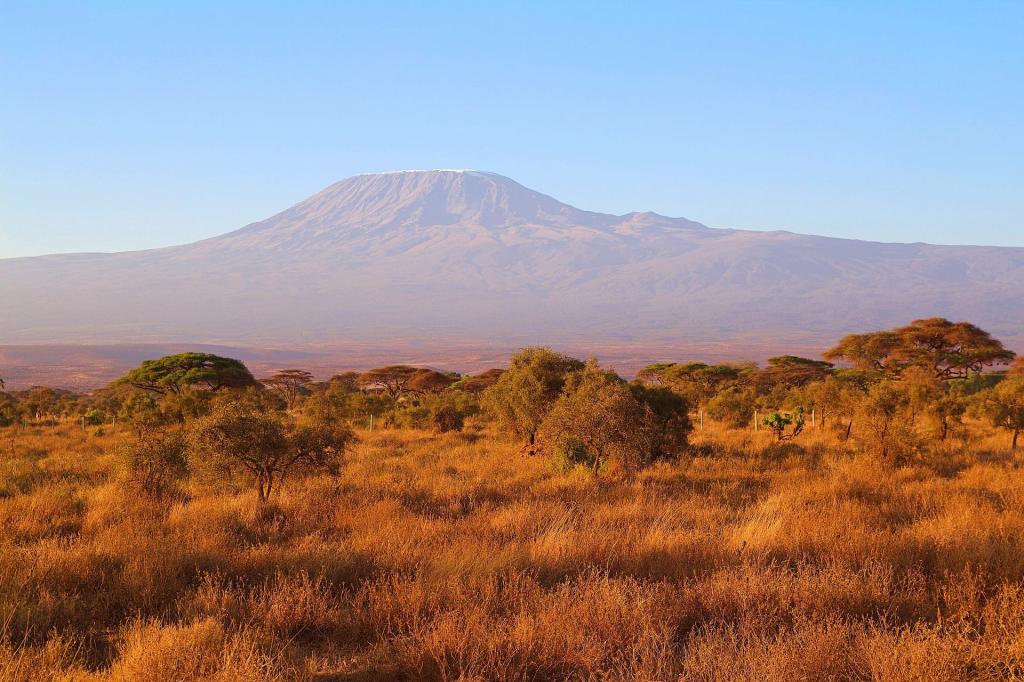
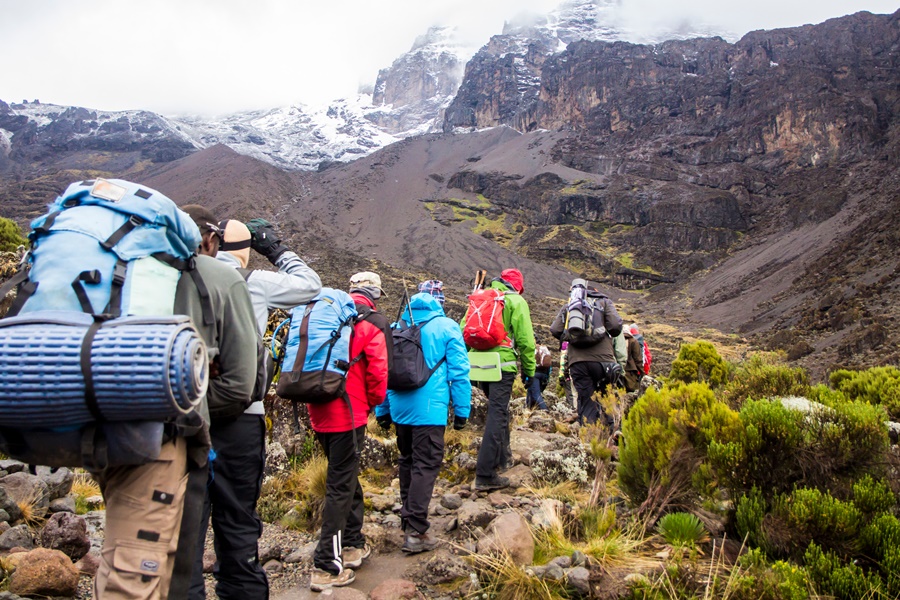
Mount Kilimanjaro: Africa’s highest peak and a popular destination for climbers and trekkers.
Ngorongoro Crater: A UNESCO World Heritage Site, this ancient caldera is a natural enclosure for a stunning array of wildlife.
Zanzibar Archipelago: Comprising the main island of Unguja and its neighbouring islands, Zanzibar is known for its pristine beaches, historical Stone Town, and vibrant culture.
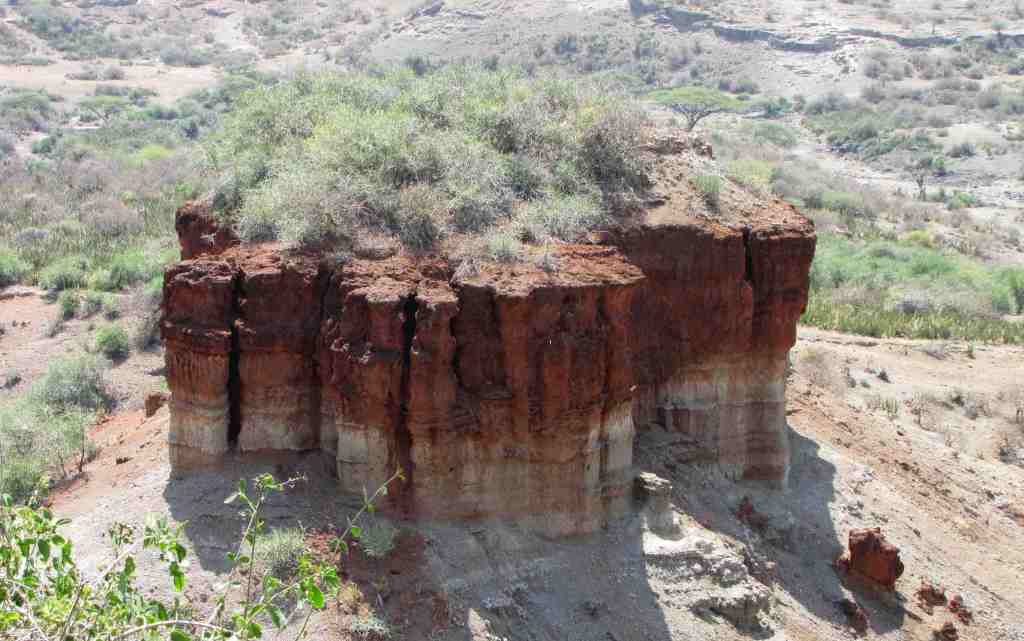
Great Rift Valley: A geological marvel running through Tanzania, with attractions like Lake Manyara and Olduvai Gorge.
Tropical Coastline: With the Indian Ocean washing its eastern shores, Tanzania boasts beautiful beaches, coral reefs, and marine life.
WILDLIFE AND NATIONAL PARKS
▷ Tanzania is home to the “Big Five”: lion, elephant, buffalo, leopard, and rhinoceros.
▷ The Serengeti, Ngorongoro Crater, Tarangire, and Manyara are some of the most famous national parks for wildlife viewing.
▷ The Selous Game Reserve and Ruaha National Park offer a more off-the-beaten-path safari experience.
▷ Coastal and marine parks, such as Mafia Island Marine Park, are renowned for their aquatic biodiversity.
CULTURE AND PEOPLE
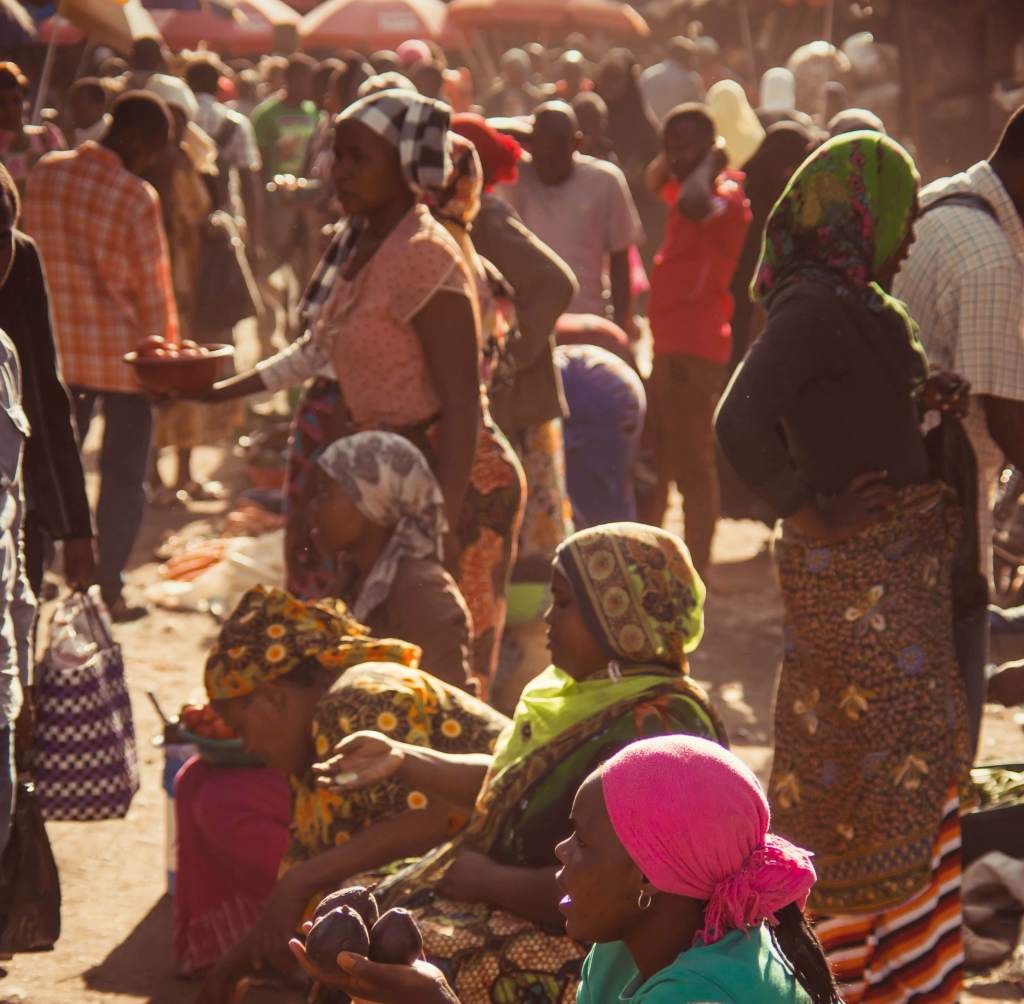
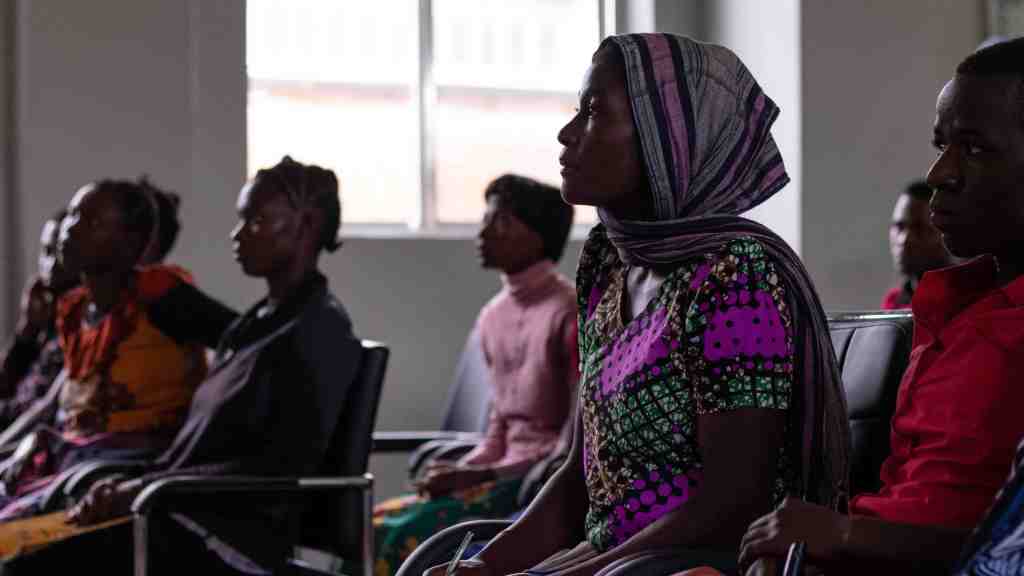
▷ Tanzania is a melting pot of cultures and ethnicities, with over 120 distinct ethnic groups.
▷ The Swahili culture is predominant, with Swahili being the national language.
▷ Maasai and Chaga are prominent ethnic groups, each with their own unique traditions and lifestyles.
▷ Traditional music, dance, and art play a significant role in Tanzanian culture.
RELIGION
▷ Tanzania is a religiously diverse country with a rich tapestry of faiths and beliefs.
▷ The major religions in Tanzania are Christianity, Islam, and indigenous beliefs.
▷ Tanzania is known for its religious harmony, where people of different faiths coexist peacefully.
HISTORY AND HERITAGE
▷ Tanzania has a rich history, with archaeological sites like Olduvai Gorge offering insights into early human evolution.
▷ The coast has a history of trade with Arab and European merchants, contributing to its cultural diversity.
▷ The island of Zanzibar played a pivotal role in the slave trade and has a complex history.
ADVENTURE AND ACTIVITIES
▷ Safari experiences rank high on most visitors’ itineraries, offering the chance to witness incredible wildlife and landscapes.
▷ Climbing Mount Kilimanjaro, Africa’s tallest mountain, attracts trekkers and adventure enthusiasts.
▷ Scuba diving, snorkelling, and water sports are popular along Tanzania’s coast and islands.
FOOD
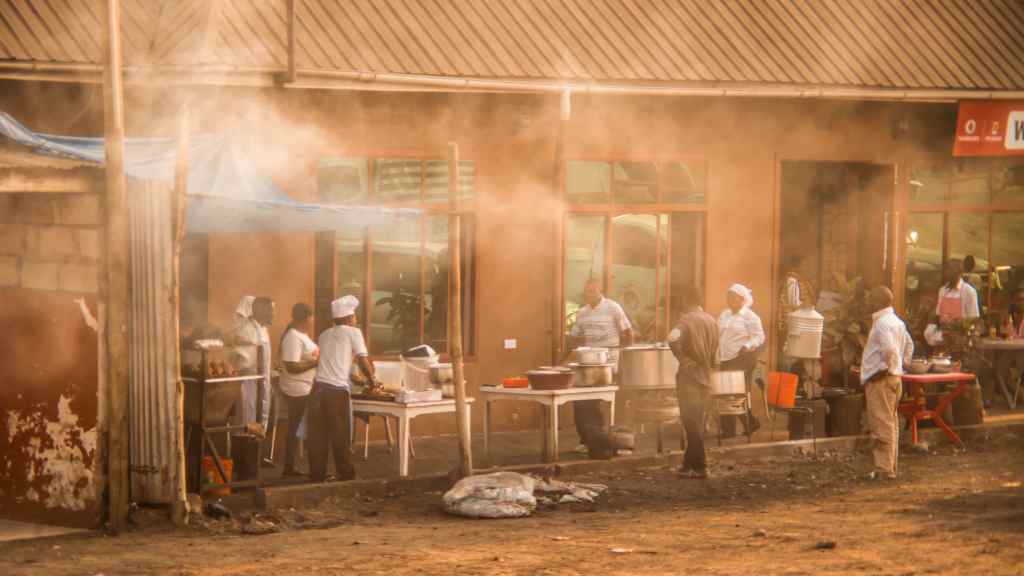
▷ Tanzanian cuisine is a reflection of the country’s diverse cultures and regional influences.
▷ Popular local dishes include: Wali (rice) | Ugali (maize porridge) | Chapati (flatbread) | Pilau (rice dish) | Nyama choma (grilled meat) | Biryani (rice dish) | Samaki (fish) | Mshikaki (marinated beef) | Ndizi-nyama (green bananas with meat) Makande (beans with maize)
READY TO explore
what tour is best for you?
The Aura of Africa is ready to make your trip to Africa an unforgettable experience.

Contact us

Design your trip

your journey begins
 The Aura of Africa